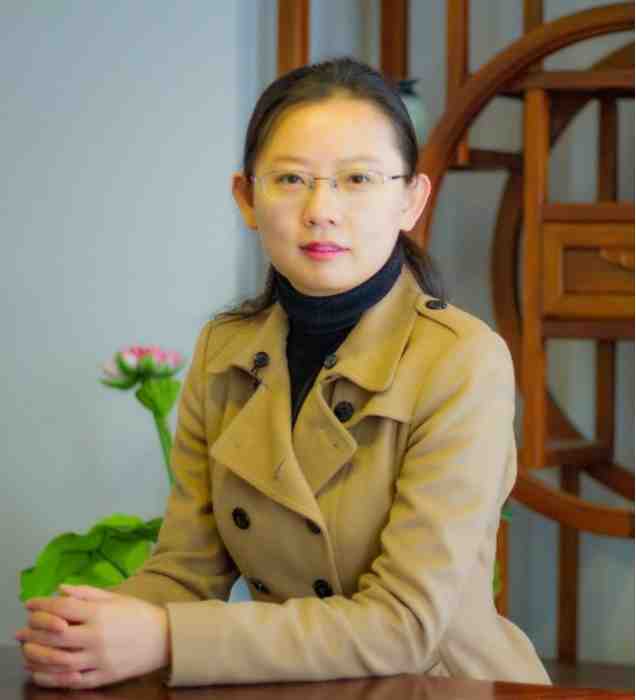
洪喻
|
洪喻 教授、博士生导师 |
E- mail: yuhong@bjfu.edu.cn |
|
研究方向: 污染控制原理与技术 微藻生物技术 水华预防与控制 环境功能材料 环境风险物质毒性评价 |
个人履历
教育经历:
2005.09-2008.07---清华大学环境科学与工程系,工学博士、环境科学与工程专业
2003.09-2005.07---清华大学环境科学与工程系,工学硕士、环境科学与工程专业
1999.09-2003.07---西安交通大学生命科学与技术学院,工学学士、生物工程专业
主要工作经历:
2018.01-至今-------北京林业大学环境科学与工程学院教授、博士生导师
2016.06-2017.12---北京林业大学环境科学与工程学院副教授、博士生导师
2015.06-2016.07---美国伊利诺伊香槟分校青年骨干教师访问学者
2011.09-2012.07---清华大学环境学院青年骨干教师国内访问学者
2011.01-2015.06---北京林业大学环境科学与工程学院副教授
2008.07-2010.12---北京林业大学环境科学与工程学院讲师
教学工作
正在承担和曾经承担过的本科生课程(下划线为正在承担):
《环境毒理学》、《水质毒性分析》、《环境化学》、《环境科学与工程导论》、《环境保护与可持续发展》、污染生态修复技术;
正在承担和曾经承担过的研究生课程(下划线为正在承担):
《环境样品生物与毒理检测技术》、《工程伦理学》、《实验样品生物检测技术》、《生态环境工程学术前沿讲座》、《环境污染的生态修复技术》、《高等环境化学》、《高级环境化学》、《水环境化学》
在课程讲授过程中,建成本科生校级精品课程1门,研究生校级精品课程2门,作为独立主讲人讲授学堂在线慕课1门,入选教育部“拓金计划”示范课程,作为主讲人参与建设学堂在线慕课2门,中国大学慕课网慕课4门,其中环境毒理学在线课程获得第二批国家一流本科课程,环境毒理学课程教案获得北京高校优质本科教案,环境化学课程获得北京市高校优质本科课程。主持教改项目9项,第一作者发表教改论文13篇。指导博士研究生13名,硕士研究生41名,指导56名本科生开展毕业论文/毕业设计,指导本科生开展大学生科研创新计划19项,其中国家级3项,北京市1项,校级15项。指导学生参加国际国内学术会议多次获得最佳口头报告、最佳海报奖,指导研究生多次获得校学术创新奖、学术卓越奖、学术之星奖等,指导本科生多次获得校优秀本科毕业论文,参加北京市大学生节能节水低碳减排科技竞赛及全生命周期碳中和创新大赛多次获奖。
科学研究
主要研究领域:
[1] 污染控制原理与技术
[2] 微藻生物技术
[3] 水华预防与控制
[4] 环境功能材料
[5] 环境风险物质毒性评价
代表性研究项目:
[1] 主持国家自然科学基金面上项目“强化固碳优势藻菌共生系统的功能性附着材料设计合成及系统资源化处理市政污水的效能与机制”
[2] 主持国家自然科学基金面上项目“去除微囊藻毒素的多孔碳基铋系复合光催化材料的设计合成与作用机制研究”
[3] 主持国家自然科学基金面上项目“面向产油微藻采收的功能化磁性纳米材料的设计、制备及作用机制研究”
[4] 主持中央高校基本科研业务费自由探索研究项目“微藻净化猪场废水转化生物质效能与微污染物迁移转化规律研究”
[5] 主持中央高校基本科研业务费自由探索研究项目“基于果蝇模型的环境污染物及环境功能材料的毒性评价”
[6] 主持北京市科委科技新星交叉课题“磁性纳米材料在产油微藻高效捕集中的应用及机理研究”
[7] 主持河南省科技计划项目“水生植物抑藻剂的研究与开发”
[8] 主持中科院生态环境研究中心环境水质学国家重点实验室开放基金“基于产油藻的再生水深度净化及消毒风险”
[9] 主持清华大学国家环境保护环境微生物利用与安全控制重点实验室开放课题“常见行道树落叶代谢物质对经济微藻的生长促进作用研究”
[10] 主持北京市科技新星计划“水生植物化感物质用于北京市小型景观水体水华防治的研究”
[11] 主持北京林业大学优秀青年教师科技支持专项计划“氨基酸类代谢物质对有害藻类的生长控制研究”
[12] 主持北京林业大学优秀青年教师科技支持专项计划“水华蓝藻与常见浮游藻相互作用的研究“
[13] 主持国家自然科学基金青年基金“水生植物生物碱类化感物质对有害藻类的生长控制研究”
[14] 主持北京林业大学校新教师科研启动基金“水生植物生物碱对有害藻类的生长控制研究”等纵向课题
[15] 主持“用于餐厨垃圾液化处理的紫外诱变菌筛选复配及中试效果研究”“处理餐厨垃圾复合菌剂升级优化与效果中试”“深度净化餐厨液化液的藻菌体系构建与效果中试”“除臭菌附着的多孔材料除臭与材料再生的效果及机制”“餐厨垃圾液化微生物功能菌群解析与功能菌构建”“电子级超纯水制备系统总有机碳预测技术研究”“半导体废水再生处理工艺研究”“藻类光生物反应器固碳评价”“水分影响下的不同类型活性炭除臭过程与机制研究”“应用于水体水华控制的化感物质改性功能材料研究”“回流除臭机理研究和微生物群落结构研究”“应用于黑臭水体处理的微藻筛选与处理效果研究”“洗涤水污染处理与资源化预研”“城市行道树落叶生物质的高效综合利用研究”等多项横向课题
[16] 作为主要参与人员参加了国家重点研发计划畜禽养殖污染物资源化利用及低碳低成本协同治理技术
[17] 作为主要参与人员参加了国家重点研发计划长江黄河等重点流域水资源与水环境综合治理专项项目“污水生物处理前沿技术研发与示范”子课题“基于碳源高效回收的污水生物-生态耦合处理新技术研究”
[18] 作为主要参与人员参加了国家水体污染控制与治理科技重大专项专题(子课题)入河支流点源污染负荷削减和河口湿地水质保障技术集成
[19] 作为主要参与人员参加了国家水体污染控制与治理科技重大专项(子课题)藻苲淀近自然湿地生态修复关键技术研究与示范
[20] 作为主要参与人员参加了北京林业大学科技创新计划项目“污水处理厂磷回收技术研究与示范”
[21] 作为主要参与人员参加了北京林业大学科技创新计划项目创新团队课题“水深度处理技术与理论”
[22] 作为主要参与人员参加了国家自然科学基金委员会(NSFC)与日本学术振兴机构(JST)重大国际合作课题“流域水环境修复与资源/能源生产耦合系统及其关键技术研究”
[23] 作为主要参与人员参加了国家科技支撑计划课题“奥运景观水系水质保障综合技术与示范”
[24] 作为主要参与人员参加了国家科技支撑计划课题“南水北调东线南四湖生态恢复与综合整治技术与示范”
[25] 作为主要参与人员参加了环保公益性行业科研专项“城市生活垃圾卫生填埋场功能性植被体系构建方法”
[26] 作为主要参与人员参加了环保公益性行业科研专项“城市污泥堆肥林业利用环境生态风险评估技术体系与控制对策研究”等
代表性文章
[1] Zhang Y W, Wang C, Hong Y*, Liang M, Gao Y J, Xie X. Integrated inactivation of Microcystis aeruginosa by allelochemicals and a flow-through copper ionization cell: performance insights and mechanisms. ENGINEERING Environment. 2026.https://doi.org/10.1007/s11783-026-2205-x
[2] Wang, X Y, Zhang, H K, Hong Y*, Wang J Y. Enhanced microalgae-bacteria symbiosis for domestic garbage leachate treatment: Optimization and life cycle assessment. Water Cycle. 2026,7, 267-277. https://doi.org/10.1016/j.watcyc.2025.11.002.
[3] Yang X F*, Wu Y T, Deng Y H, Hong Y, Guo X X, Wang D S, Zhang W J and Wei Y S. Gaseous pollution from biosolids land application: A review of malodor and greenhouse gas emissions and their mitigation strategies. Current Pollution Reports. 2026, 12. https://doi.org/10.1007/s40726-026-00396-8
[4] Zhang Y W, Ma M J, Gao Y J, Hong Y*, Xie X. Efficient inhibition of Microcystis aeruginosa using expanded perlite sustained-release pyrogallic acid: Performance studies, mechanistic insights and ecological security assessment. Harmful Algae. 2026, 155, 103093. https://doi.org/10.1016/j.hal.2026.103093
[5] Zhang Y W, Gao Y J, Hong Y*, Liang M, Xie X. Subtleties of the synergistic inhibition of Microcystis aeruginosa by L-lysine and a flow-through copper ionization cell: Insights from physiology and transcriptomics. Algal Research. 2026, 93, 104467. https://doi.org/10.1016/j.algal.2025.104467
[6] Gao Y J, Wang R N, Yu S T, Cao K F, Cai X C, Hong Y*, Wang Y, Huang W E, Ikuno N, Koji N, Hu H Y, Wu Y H**, Improved mitigation of reverse osmosis membrane biofouling via synergistic UV light-emitting diodes and chlorine disinfection, Desalination, 2026, 628, 120092, https://doi.org/10.1016/j.desal.2026.120092.
[7] Wang Z Y, Ma G Q, Hu G L, Jiao Z L, Hong Y*. Revealing the reinforcement mechanisms of compound bacterial agents to the blackwater treatment performance of microalgae-fungi-sludge consortia through metagenomics. Algal Research. 2026, 94, 104514. https://doi.org/10.1016/j.algal.2025.104514.
[8] Wang Z Y, Zhou Y, Hong Y*. Utilizing novel microbial system microalgae-fungi-bacteria consortia for environmental remediation: Collaboration mechanisms, applications, and future prospects. Process Safety and Environmental Protection. 2026, 209, 108625. https://doi.org/10.1016/j.psep.2026.108625.
[9] Wang Z Y, Hong Y*. Atmospheric and room-temperature plasma mutagenesis of microalgae for efficient swine wastewater treatment and bioresource recovery. Bioresource Technology. 2026, 448, 134287. https://doi.org/10.1016/j.biortech.2026.134287
[10] Kankpiabe T, Wu H, Hong Y*. Recent Advances in Deep Learning-Based Toxicity Prediction of Emerging Organic Pollutants in Freshwater Ecosystems. Current Pollution Reports, 2026, 12(1), 7. https://doi.org/10.1007/s40726-026-00401-0.
[11] Li J, Wu Y H*, Liang S Y, Chen Z, Hong Y, Zhao Y, Li J K, Hao N H, Hu H Y. Microalgae-mediated treatment of steel industry reverse osmosis concentrate integrated with flue gas carbon fixiation: From laboratory selection to pilot-scale verification. Water Research, 2026, 288: 124561. https://doi.org/10.1016/j.watres.2025.124561.
[12] Wang, Z Y, Ma, G Q, Hu, G L, Hao, N H, Hong, Y*. Sustained treatment of actual blackwater achieved by a structurally stable microalgae-fungi-sludge consortia: Three-step construction strategy and performance mechanism insights. Chemical Engineering Journal. 2025, 522: 166977. https://doi.org/10.1016/j.cej.2025.166977.
[13] Yuan Y Q, Wang Z Y, Hu G L, Hong Y*. Integrated analysis of using high-value microalgae for tetracycline treatment with biomass utilization: Responses, removal pathway, physiological and metabolomic characterization. Water Cycle. 2025, 6: 440-448. https://doi.org/10.1016/j.watcyc.2025.05.001.
[14] Wang, Z Y, Hong, Y*. Enhancing the pollutant removal performance of bacteria and microalgae through random mutagenesis technology: A comprehensive review of effect and mechanism. Current Pollution Reports. 2025, 11: 28. https://doi.org/10.1007/s40726-025-00366-6.
[15] Hu L M, Hong Y*, Liu J L, Wang Z Y, Wang X Y, Gao Y J. Multifunctional treatment of food waste liquefied liquid by algal-bacterial microbial fuel cells: water, electricity and biomass nexus and mechanism profiling. Algal Research. 2024. https://doi.org/10.1016/j.algal.2025.104193.
[16] Wang X Y, Hong Y*, Zhang Y W, Sun D Z. Carbon distribution and metabolism mechanism of a novel mixotrophic Chlorella in municipal wastewater. Bioresource Technology. 2025, 430: 132562. https://doi.org/10.1016/j.biortech.2025.132562
[17] Gao Y J, Wang R N, Hong Y*, Wu Y H**. Model bacteria for biofouling research of reverse osmosis membranes. Water Cycle. 2025, 6: 254-258. https://doi.org/10.1016/j.watcyc.2025.03.005
[18] Wang Z Y, Chen Y, Hong Y*, Li L H, Zhang Y W, Wang C, Zhang M, Huang Y, Huang Y N, Zhao M N. From laboratory-level construction to pilot-level validation: Utilization of compound mutagenic bacterial agent for efficient treatment of kitchen waste. Journal of Environmental Chemical Engineering. 2025, 13:116441. https://doi.org/10.1016/j.jece.2025.116441
[19] Wang Z Y, Yuan Y Q, Shi Y, Hong Y*. Subtleties of tetracycline removal during growth of microalgae-fungi consortia: Mechanistic insights from perspectives of extra- and intracellular metabolites. Bioresource Technology. 2025, 426: 132352. https://doi.org/10.1016/j.biortech.2025.132352
[20] Zhan M M, Hu G L, Hong Y*, Fang Z, Qiu D P. Highly efficient photocatalytic Microcystin-LR elimination using magnetic recyclable nanocomposite ZnO/Fe3O4/Bi2WO6/RGO and its toxicity assessment. Journal of Environmental Chemical Engineering. https://doi.org/10.1016/j.jece.2024.115161
[21] Wang X Y, Hong Y*, Wang Z Y, Yuan Y Q, Sun D Z. High capacities of carbon capture and photosynthesis of a novel organic carbon-fixing microalgae in municipal wastewater: From mutagenesis, screening, ability evaluation to mechanism analysis. Water Research. 2024. https://doi.org/10.1016/j.watres.2024.121722
[22] Gao Y J, Wang H B, Xu Y Q, Wang R N, Liu H, Qiu Y, Hong Y*, Hu H Y, Wu Y H*. Priority bacteria causing biofouling of reverse osmosis membranes: Potential disinfection-resistant bacteria and control strategies. Desalination. 2024. https://doi.org/10.1016/j.desal.2024.117484
[23] Wang X Y, Wang Q, Hong Y*, Wang Z Y. A whole process study of dual microalgae cultivation coupled to domestic wastewater treatment and wheat growth. Environmental Research. 2024. https://doi.org/10.1016/j.envres.2024.119168
[24] Zhan M M, Hong Y*, Fang Z, Qiu D P. Magnetic recyclable visible light-driven Bi2WO6/Fe3O4/RGO for photocatalytic degradation of Microcystin-LR: Mechanism, pathway, and influencing factors. Environmental Research. 2024. https://doi.org/10.1016/j.envres.2024.118885
[25] Liu X Y, Hong Y*, Zhang Y W, Li L H. Valorization of treated swine wastewater and generated biomass by microalgae: their effects and salt tolerance mechanisms on wheat seedling growth. Environmental Research. 2024. https://doi.org/10.1016/j.envres.2024.118664
[26] Wang Z Y, Hong Y*. Microbial based treatment of kitchen waste and kitchen wastewater: State-of-the-art progress and emerging research prospects related to microalgae and bacteria. Current Pollution Reports. 2024. https://doi.org/10.1007/s40726-024-00300-2
[27] Liu X Y, Hong Y*, Liang M, Zhai Q Y. Bioremediation of zinc and manganese in swine wastewater by living microalgae: Performance, mechanism, and algal biomass utilization. Bioresource Technology. 2023. https://doi.org/10.1016/j.biortech.2023. 129382
[28] Zhan M M, Hong Y*, Fang Z, Qiu D P. Visible light-driven photocatalytic degradation of Microcystin-LR by Bi2WO6/Reduced graphene oxide heterojunctions: Mechanistic insight, DFT calculation and degradation pathways. Chemosphere. 2023. https://doi.org/10.1016/j.chemosphere.2023.138105
[29] Wang Q R, Hong Y*, Li L H. Insights into differences between spore-assisted and pellet-assisted microalgae harvesting using a highly efficient fungus: efficiency, high-value substances and mechanisms. Science of the Total Environment.2023. https://doi.org/10.1007/s11356-023-25799-8
[30] Wang X Y, Hong Y*, Zhang Y W. Photosynthetic algal microbial fuel cell (PAMFC) for wastewater removal and energy recovery: a review. Current Pollution Reports. https://doi.org/10.1007/s40726-023-00267-6
[31] Zhang Y W, Hong Y*, Wang X Y. Recent advances on using functional materials to increase the pollutant removal capabilities of microalgae and bacteria: Especially for their symbiotic systems Current Pollution Reports. 2023. https://doi.org/10.1007/s40726-023-00259-6
[32] Wang Q, Li L H, Hong Y*, Zhai Q Y, He Y T. Novel insights into indoor air purification capability of microalgae: characterization using multiple air quality parameters and comparison with common methods. Environmental Science and Pollution Research. 2023. https://doi.org/10.1007/s11356-023-25799-8
[33] Wang X Y, Hong Y*, Liu X Y. Effect of different sludge pretreatment methods on pollutants release and microalgae performances in hydrolysis acidification solution: growth status, photosynthetic properties, effluent treatment. Water 2023, 15, 2873. https://doi.org/10.3390/w15162873
[34] Zhang Y W, Liu P R, Hong Y*. Fabrication of magnetic silica nanomaterials and their effects on algal harvesting. Water 2023, 15, 2823. https://doi.org/10.3390/w15152823
[35] Li L H, Li Y L, Hong Y*. New insights into the microalgal culture using kitchen waste: enzyme pretreatment and mixed microalgae self-flocculation. Biochemical Engineering Journal. https://doi.org/10.1016/j.bej.2023.108904
[36] Ma G Q, Li L H, Hong Y*, Yu M R. Cultivation of Haematococcus pluvialis in source-separated urine for biomass production and astaxanthin accumulation. Algal Research. https://doi.org/10.1016/j.algal.2022.102945
[37] Zhang H K, Hong Y*, Wang X Y, Li X Y, Zhao G P, Wang Q, Zhai Q Y. Chlorella potential to purify domestic waste leachate for biomass production and community structure responses of wastewater-borne bacteria. Algal Research. 2022, 66: 102825.
[38] Liu X Y, Hong Y*, Zhai Q Y, Zhao G P, Zhang H K, Wang Q. Performance and mechanism of Chlorella in swine wastewater treatment: roles of nitrogen-phosphorus ratio adjustment and indigenous bacteria. Bioresource Technology, 2022, 358: 127402.
[39] Zhao G P, Hong Y*, Li L H, Zhang H K, Xu R, Hao Y. Selection and characterization of plant-derived alkaloids with strong antialgal inhibition: growth inhibition selectivity and inhibitory mechanism. Harmful Algae, 2022, 117: 102272.
[40] Wang Q, Wang X Y, Hong Y*, Liu X Y, Zhao G P, Zhang H K, Zhai Q Y. Microalgae cultivation in domestic wastewater for wastewater treatment and high value-added production: species selection and comparison. Biochemical Engineering Journal, 2022, 185: 108493.
[41] Zhao G P, Wang X Y, Hong Y*, Liu X Y, Wang Q, Zhai Q Y, Zhang H K. Attached cultivation of microalgae on rational carriers for swine wastewater treatment and biomass harvesting. Bioresource Technology, 2022, 351: 127014.
[42] Zhan M M, Ma M J, Hong Y*, Zhang C K, Li L H, Xu Y, Zhang Z L. Achieving highly efficient growth inhibition on Microcystis aeruginosa with location-based lactic acid composites. Desalination and Water Treatment, 2022, 253: 285–297.
[43] Wang X Y, Hong Y*. Microalgae biofilm and bacteria symbiosis in nutrient removal and carbon fixation from wastewater: a review. Current Pollution Reports, 2022, 8: 128-146.
[44] Zhan M M, Hong Y*. Recent advances in technologies for removal of microcystins in water: A review. Current Pollution Reports, 2022, 8: 113-127.
[45] Liu X Y, Hong Y*, Zhao G P, Zhang H K, Zhai Q Y, Wang Q. Microalgae-based swine wastewater treatment: strain screening, conditions optimization, physiological activity and biomass potential. Science of the Total Environment, 2022, 807: 151008
[46] Zhai Q Y, Hong Y*, Wang X Y, Wang Q, Zhao G P, Liu X Y, Zhang H K. Mixing starch wastewaters to balance nutrients for improving nutrient removal, microalgae growth and accumulation of high value-added products. Water Cycle. 2022, 3: 151–159.
[47] Li L H, Hao L C, Hong Y*. Responses of bloom-forming Microcystis aeruginosa to polystyrene microplastics exposure: growth and photosynthesis. Water Cycle. 2022, 3: 133–142.
[48] Liu X Y, Hong Y*, Gu W P. Influence of light quality on Chlorella growth, photosynthesis and high-valued products accumulation in coastal saline-alkali leachate. Water Reuse, 2021, 11(2): 301–311
[49] Liu X Y, Hong Y*, Liu Yu. Cultivation of Chlorella sp. HQ in inland saline-alkaline water under different light qualities. Frontier of Environmental Science and Engineering, 2022, 16(4): 45. https://doi.org/10.1007/s11783-021-1479-2
[50] Chen Z Y, Li L H, Hao L C, Hong Y*. Hormesis-like growth and photosynthetic physiology of marine diatom Phaeodactylum tricornutum Bohlin exposed to polystyrene microplastics. Frontier of Environmental Science and Engineering. 2021. 16(1): 2
[51] Zhan M M, Liu P R, Liu X Y, Hong Y*, Xie X. Inactivation and removal technologies for algal-bloom control:Advances and challenges. Current Pollution Reports. 2021. 7(3): 392-406
[52] Liu X Y, Hong Y*. Microalgae-based wastewater treatment and recovery with biomass and high-value products: A brief review. Current Pollution Reports. 2021. 7(2): 227-245
[53] Zhang Q, Hao L C, Hong Y*. Detrimental effects induced by diisononyl phthalate on development and behavior of Drosophila larva and potential mechanisms. Comparative Biochemistry and Physiology, Part C. 2021. 243: 108967.
[54] Zhang Q, Hao L C, Hong Y*. Exploring the multilevel effects of triclosan from development, reproduction to behavior using Drosophila melanogaster. Science of the Total Environment. 2021, Mar 25th, 762: 144170.
[55] Zhang Q, Hao L C, Hong Y*. Exposure evaluation of diisononyl phthalate in the adults of Drosophila melanogaster: Potential risks in fertility, lifespan, behavior and modes of action. Comparative Biochemistry and Physiology - Part C, 2020. Dec, 238: 108847.
[56] Liu X Y, Hong Y*, He Y T, Gu W P. Comparison of oleaginous microalgal growth and lipid accumulation in saline-alkali leachate: a case from Shandong Province. Desalination and Water Treatment, 2020, 187: 390-398
[57] Liu P R, Zhou J F, Hong Y*, Xie X*. Electric-field enhanced microalgae inactivation using a flow-through copper ionization cell. Journal of Hazardous Materials, 2020. Dec, 400: 123320.
[58] Li L H, Li X Y, Hong Y*, Jiang M R, Lu S L. Use of microalgae for the treatment of black and odorous water: Purification effects and optimization of treatment conditions. Algal Research. 2020, 47: 101851-101861.
[59] Liu P R, Zhou J F, Wang T, Yu C. Hong Y*, Xie X*. Efficient microalgae inactivation and growth control by locally enhanced electric field treatment (LEEFT). Environmental Science: Nano. 2020, 7: 2021-2031
[60] Liu P R, Wang T, Yang Z Y, Hong Y*, Xie X, Hou Y L. Effects of Fe3O4 nanoparticle fabrication and surface modification on Chlorella sp. harvesting efficiency. Science of the Total Environment, 2020, 704: 135286. DOI: 10.1016/j.scitotenv.2019.135286
[61] Liu X Y, Hong Y*, He Y T, Liu Y. Growth and high-valued products accumulation characteristics of microalgae in saline-alkali leachate from Inner Mongolia. Environmental Science and Pollution Research, 2019, 26: 36985-36992
[62] Liu X Y, Hong Y*, Liu P R, Zhan J J, Yan R. Effects of cultivation strategies on the cultivation of Chlorella sp. HQ in photoreactors. Frontier of Environmental Science and Engineering, 2019, Sep, 13(5): 78-88
[63] He Y T, Hong Y*, Liu X Y, Zhang Q, Liu P R, Wang S Y. Influences of carbon and nitrogen sources and metal ions on the heterotrophic culture of Scenedesmus sp. LX1. Environmental Science and Pollution Research, 2019, May, 26(13):13381-13389
[64] Liu P R, Yang Z Y, Hong Y*, Hou Y L. An in-situ method for synthesis of magnetic nanomaterials and efficient harvesting for oleaginous microalgae in algal culture. Algal Research, 2018, April, 31:173–182
[65] Liu Y, Zhang J J, Hong Y*. Effects of metal ions on the cultivation of an oleaginous microalga Chlorella sp. Environmental Science and Pollution Research, 2017, 24(34):26594–26604
[66] Liu P R, Wang T, Yang Z Y, Hong Y*, Hou Y L. Long-chain poly-arginine functionalized porous Fe3O4 microspheres as magnetic flocculant for efficient harvesting of oleaginous microalgae. Algal Research, 2017, 27: 99-108
[67] Liu Y, Zhang Q, Hong Y*. Formation of disinfection byproducts from accumulated soluble products of oleaginous microalga after chlorination. Frontiers of Environmental Science & Engineering, 2017, 11(6): 1-7
[68] Liu P R, Yang W L, Wang T, Hong Y*, Hou Y L. Functional graphene-based magnetic nanocomposites as magnetic flocculant for efficient harvesting of oleaginous microalgae. Algal Research, 2016 Nov., 19: 86-95
[69] Wang T, Yang W L, Hong Y*, Hou Y L. Magnetic nanoparticles grafted with amino-riched dendrimer as magnetic flocculant for efficient harvesting of oleaginous microalgae. Chemical Engineering Journal, 2016, 297: 304–314
[70] Zhan J J, Hong Y*, Hu H Y. Effects of nitrogen sources and C/N ratios on lipid-producing potential of Chlorella sp. HQ. Journal of Microbiology and Biotechnology, 2016, 26(7):1290-302
[71] Zhan J J, Zhang Q, Qin M M, Hong Y*. Selection and characterization of eight freshwater green algae strains for synchronous water purification and lipid production. Frontiers of Environmental Science & Engineering, 2016, 10(3): 548–558
[72] Zhang Q, Zhan J J, Hong Y*. The effects of temperature on the growth, lipid accumulation and nutrient removal characteristics of Chlorella sp. HQ. Desalination and Water Treatment, 2015, 57(22): 10403-10408.
[73] Rehman S, Yang W L, Liu F, Hong Y*, Wang T, Hou Y L*. Facile synthesis of anisotropic single crystalline α-Fe2O3 nanoplates and their facet-dependent catalytic performance. Inorganic Chemistry Frontier, 2015, 2: 576–583.
[74] Zhang Q, Wang T, Hong Y*. Investigation of initial pH effects on growth of an oleaginous microalgae Chlorella sp. HQ for lipid production and nutrient uptake. Water Science and Technology, 2014, 70(4): 712-719.
[75] Zhao W Y, Yu J Y, Wu Y H, Hong Y, Hu H Y. Enhancement of Scenedesmus sp. LX1 biomass production and lipid accumulation using iron in artificial wastewater and domestic secondary effluent. Korean Journal of Microbiology and Biotechnology, 2014, 42(2): 131-138.
[76] Hong Y*, Xu K. Growth relationships of a lipid-producing Chlorella-alga with common microalgae in laboratory co-cultures. Microbiology, 2014, 83(4): 366-375.
[77] Zhang Q, Hong Y*. Comparison of growth and lipid accumulation properties of two oleaginous microalgae under different nutrient conditions. Frontiers of Environmental Science & Engineering, 2014, 8(5): 703-709.
[78] Zhang Q, Hong Y*. Comparison in growth, lipid accumulation, and nutrient removal capacity of Chlorella sp. in secondary effluents under sterile and non-sterile conditions. Water Science and Technology, 2014, 69(3):573-539.
[79] Zhang Q, Hong Y*. Effects of stationary phase elongation and initial nitrogen and phosphorus concentrations on the growth and lipid-producing potential of Chlorella sp. HQ. Journal of Applied Phycology, 2014 Feb., 26(1):141-149.
[80] Hong Y*, Xu K. Co-existing growth relationships of a lipid-producing alga with three microalgae. Allelopathy Journal, 2013, Oct, 32(2): 301-314.
[81] Hong Y*, Hu H Y, Sakoda A, Sagehashi M. Straw preservation effects of Arundo donax L. on its allelopathic activity to toxic and bloom-forming Microcystis aeruginosa. Water Science and Technology. 2011, May; 63(8): 1566-1573.
[82] Hong Y*, Hu H Y, Sakoda A, Sagehashi M. Isolation and characterization of antialgal allelochemicals from Arundo donax L.. Allelopathy Journal, 2010, Mar; 25 (2): 357-368
[83] Hong Y*, Huang J J, Hu H Y. Effects of a novel allelochemical ethyl 2-methyl acetoacetate (EMA) on the ultrastructure and pigment composition of cyanobacterium Microcystis aeruginosa. Bulletin of Environmental Contamination and Toxicology, 2009, Oct; 83(4): 502-508. (DOI: 10.1007/s00128-009-9795-4)
[84] Zhang X, Hu HY, Hong Y. Primary study on the feeding characteristics of a golden alga on Microcystis aeruginosa. Water Science and Technology, 2009, 59(9):1727-1732.
[85] Hong Y, Hu H Y, Xie X, Sakoda A, Sagehashi M, Li F M. Gramine-induced growth inhibition, oxidative damage and antioxidant responses in freshwater cyanobacterium Microcystis aeruginosa. Aquatic Toxicology, 2009, Feb 19; 91(3):262-269. (DOI: 10.1016/j.aquatox.2008.11.014)
[86] Hu H Y, Hong Y. Algal-bloom control by allelopathy of aquatic macrophytes - A review. Frontiers of Environmental Science & Engineering in China, 2008, Dec 1; 2(4): 421-438
[87] Zhang X, Hu H Y, Hong Y, Yang J. Isolation of a Poterioochromonas capable of feeding on Microcystis aeruginosa and degrading microcystin-LR. FEMS Microbiology Letter, 2008, Nov; 288(2): 241-246.
[88] Hong Y, Hu H Y, Li F M. Physiological and biochemical effects of allelochemical ethyl 2-methyl acetoacetate (EMA) on cyanobacterium Microcystis aeruginosa. Ecotoxicology and Environmental Safety, 2008, Oct; 71(2): 527-534. (DOI: 10.1016/j.ecoenv.2007.10.010)
[89] Hong Y, Hu H Y, Xie X, Li F M. Responses of enzymatic antioxidants and non-enzymatic antioxidants in cyanobacterium Microcystis aeruginosa to allelochemical ethyl 2-methyl acetoacetate (EMA) isolated from reed (Phragmites communis). Journal of Plant Physiology, 2008, Aug 25; 165(12): 1264-1273.
[90] Hong Y, Hu H Y, Li F M. Growth and physiological responses of freshwater green alga Selenastrum capricornutum to allelochemical ethyl 2-methyl acetoacetate (EMA) at different initial algal densities. Pesticide Biochemistry and Physiology, 2008, Mar; 90(3): 203-212.
[91] Hong Y, Hu H Y. Effects of the aquatic extracts of Arundo donax L. on the growth of freshwater algae. Allelopathy Journal, 2007, Oct; 20(2): 315-325.
[92] Lv Y S, Lv Y B, Ye Y H, Wang Y L, Hong Y, Fortini M E, Zhong Y, Xie Z P. A role for presenilin in post-stress regulation: effects of presenilin mutations on Ca2+ currents in Drosophila. FASEB Journal, 2007, Aug; 21(10): 2368-2378.
[93] 刘佩蕊,洪喻*,谢兴. 藻华防控方法及灭活与捕获新技术研究进展. 环境科学与技术. 环境科学与技术, 2021, 44(2): 171-185.
[94] 陈足音, 洪喻, 郝丽翀, 李丽华. 湿热老化聚苯乙烯微塑料对三角褐指藻生长及光合活性的影响[J]. 环境科学与技术, 2020, 43(3): 30-37.
[95] 洪喻*,郝立翀,陈足音. 新兴污染物对微藻的毒性作用与机制研究进展. 生态毒理学报,2019,14( 5) : 22-45
[96] 刘晓亚,洪喻*,占晶晶,鄢然. 更新率对小球藻生长与油脂积累的影响. 环境科学与技术, 2019,42(5): 1-6
[97] 上官小亚,洪喻*. 混菌发酵毛白杨落叶产单细胞蛋白的研究. 环境科学与技术, 2014, 37(8): 156-160.
[98] 洪喻*, 许可. 微藻间竞争机制研究进展. 环境科学与技术, 2014, 37(5): 75-81
[99] 洪喻*, 许可. 产油小球藻与常见蓝藻共存时的生长关系研究. 环境科学与技术, 2013,36(12): 71-77, 99
[100] 赵长炜, 梁英梅, 张立秋, 洪喻. 垃圾填埋场覆土层植物根围甲烷氧化活性研究. 西北林学院学报, 2010, 25(6): 59-63.
[101] 温馨, 封莉, 王辉, 洪喻*, 张立秋. 生活垃圾填埋场不同封场期场地植物抗氧化酶活性. 生态学杂志, 2010, 29(8): 1612-1617.
[102] 洪喻, 胡洪营. 水生植物化感抑藻作用研究与应用. 科学通报, 2009, 54(3):287-293.
[103] 洪喻, 胡洪营, 黄晶晶, 迫田章义, 下桥雅树, 李锋民. 芦竹抑藻物质的初步分离及抑制铜绿微囊藻的效果. 环境化学, 2008, 11月, 27(6): 751-755.
[104] 洪喻, 胡洪营, 黄晶晶, Sakoda Akiyoshi, Sagehashi Masaki, 李锋民. 不同溶剂提取芦竹化感物质对铜绿微囊藻生长的影响. 环境科学, 2008, 11月, 29(11): 3143-3147.
授权与申请专利
[1] 洪喻,赵梦娜,王晨.一种利用低压交流电场和化感物质缓释生物炭联合抑制铜绿微囊藻生长的方法.ZL2024101702132(发明专利)
[2] 洪喻,黄亚妮. 一种利用不动杆菌 HH 及小球藻 MHQ2 资源化处理污水生产植物生长促进剂产品的方法与应用. ZL202510147936.5(发明专利)
[3] 洪喻,战明明. 一种磁性钨酸铋基纳米复合材料及其制备方法与应用. ZL202310535943.3(发明专利)
[4] 洪喻,李丽华.一种餐厨垃圾液化降解优势菌组配及其应用.ZL202410177159.4(发明专利)
[5] 洪喻,赵光普. 一种栅藻附着培养净化养猪废水的方法.ZL202111455845.6(发明专利)
[6] 洪喻,陈娅. 一种用于降解餐厨垃圾的诱变菌株的复配及其应用ZL202410173755.5(发明专利)
[7] 洪喻,王巧. 一种利用混合微藻处理城市生活污水的方法. ZL202111458556.1 (发明专利)
[8] 洪喻,王晓焱,孙德智. 一种固定无机碳的小球藻及其用于生活污水处理强化固碳的方法.ZL202410174969.4(发明专利)
[9] 洪喻,梁曼.一种联合抑制铜绿微囊藻的方法. ZL202211426138.9(发明专利)
[10] 洪喻,王倩茹,张玥雯.一种藻-菌协同净化餐厨污水的方法.ZL202410248001.1(发明专利)
[11] 洪喻,李丽华,张浩歌,鞠庆铃,曹效鑫.一株克雷伯氏菌及其应用. ZL202111455855.X(发明专利)
[12] 洪喻,张红凯. 一种利用小球藻净化垃圾沥出液的方法. ZL202111459432.5 (发明专利)
[13] 洪喻, 张晨康, 战明明. 一种化感物质缓释赋磁轻质复合材料及其制备方法和应用. ZL202010152038.6(发明专利)(已转让)
[14] 洪喻,刘晓亚,刘瑜. 一种利用微藻低成本生产油脂的方法. ZL2019105333653. (发明专利)(已转让)
[15] 洪喻,张晴,郝立翀,路雯多. 一种利用黑腹果蝇评价三唑类农药的生长发育毒性的方法. ZL2019105324851.(发明专利)
[16] 洪喻,于明然,马冠秋. 一种用于培养产虾青素微藻的培养基、一种经济型产虾青素微藻的培养方法及其应用. ZL2019105332985. (发明专利)(已转让)
[17] 洪喻, 刘佩蕊, 王婷. 高效采收油藻的功能化石墨烯基磁性纳米材料及制备方法. ZL201610604032.1(发明专利)
[18] 洪喻, 刘佩蕊. 一种藻液中原位合成磁性纳米材料并高效采收油藻的方法. ZL201610813506.3(发明专利)
[19] 洪喻, 刘佩蕊, 王婷. 高效采收油藻的功能化多孔四氧化三铁纳米材料及制备方法. ZL201610604025.1(发明专利)
[20] 洪喻, 张巧. 一株小球藻Chlorella sp. HQ的培养方法及其水质净化产油的应用. ZL201310168216.4(发明专利)
[21] 洪喻, 上官小亚, 秦墨梅. 利用梧桐落叶促进小球藻快速生长的方法, ZL201210358606.3(发明专利)
[22] 洪喻, 上官小亚, 秦墨梅. 一种从毛白杨落叶中获取促进小球藻快速生长制备液的方法, ZL201210358609.7(发明专利)
[23] 洪喻. 一种从苦草中制备抑藻总生物碱的方法, ZL200910177989.2(发明专利)
[24] 洪喻. 一种从芦竹中制备藻类抑制剂的方法, ZL200910177988.8(发明专利)
[25] 洪喻. 一种用于控制有害藻类生长的芦竹总生物碱的制备方法, ZL200910177987.3(发明专利)
[26] 胡洪营, 洪喻. 利用芦竹抑制藻类生长的方法, ZL200510136308.X. (发明专利)
[27] 洪喻,范云鹏,张盼月,梁文艳. 一种用于调控水质的沉水植物悬水种植装置. ZL2019105302903.(实用新型专利)
[28] 洪喻, 张晨康, 战明明.一种化感物质缓释悬浮复合材料及其制备方法和应用. 202010151518.0(发明专利)
[29] 洪喻, 张晨康, 战明明. 一种化感物质缓释重质复合材料及其制备方法和应用. 202010151504.9(发明专利)
[30] 洪喻,张晴,郝立翀,路雯多. 一种利用黑腹果蝇评价邻苯二甲酸酯类增塑剂的生殖毒性的方法. 2019105324692. (发明专利)
[31] 洪喻,张晴,路雯多,郝立翀. 一种利用黑腹果蝇评价有机溶剂的生殖毒性的方法. 2019105333441. (发明专利)
[32] 洪喻,张晴,路雯多,郝立翀. 一种利用黑腹果蝇行为应激反应评价污染物的毒性的方法. 2019105333367. (发明专利)
[33] 洪喻,刘晓亚. 一种污泥水解酸化液的处理方法. 2019105332985. (发明专利)
[34] 洪喻,李亚丽,刘晓亚. 一种斜生栅藻的培养方法及其净化餐厨废水产油的应用. 2019105324635. (发明专利)
[35] 洪喻,李馨雨,陆松柳,蒋梦然. 一种利用微藻处理黑臭水体的方法. 2019105333776. (发明专利)
[36] 洪喻,翟晴雨. 一种利用微藻处理玉米淀粉加工废水的方法. 202111458549.1 (发明专利)
[37] 洪喻,王倩茹. 一株黑曲霉Aspergillus niger HW8-1的培养方法及其高效捕获微藻的应用. 202111616732X (发明专利)
[38] 洪喻,马明君. 一种焦性没食子酸缓释材料的制备方法及其抑藻应用. 202211155889.1(发明专利)
[39] 洪喻,战明明. 一种钨酸铋还原氧化石墨烯复合材料的制备方法及其应用. 202310106400.X (发明专利)
[40] 洪喻,战明明. 一种四氧化三铁/钨酸铋/还原氧化石墨烯复合材料的制备方法及其应用. 202310535914.7 (发明专利)
[41] 洪喻,王晓焱,孙德智. 一种高固碳微藻及一种微藻处理污水的方法. 2023110786842 (发明专利)
[42] 洪喻,李丽华. 一种用于液化降解餐厨垃圾的降解菌及包含其的菌剂和应用.202410177202.7(发明专利)
[43] 洪喻,张敏,齐瑾怡.一种利用黑腹果蝇行为反应评价农膜微塑料与农药戊唑醇的生长发育毒性的方法.2024101699958(发明专利)
[44] 洪喻,王诚. 一种固体菌剂、制备方法与应用. 2025102483870
[45] 洪喻,张敏. 一种用于餐厨垃圾除臭的互花米草改性生物炭及其制备方法. 202510249137.9
[46] 洪喻,黄优. 一种基于群体感应强化复合菌液化餐厨垃圾的方法. 202510181451.8
主要著作
[1] Wang Z Y, Zhou Y, Hong Y*. Microalgae in Carbon Capture and Storage: A Clean and Sustainable Approach for Controlling Environmental Pollution. In: Deprá, M. C., Jacob-Lopes, E. J., Zepka, L. Q. (Eds.), Microalgal Biotechnology: A Water-Soil-Air Nexus Sustainable Perspective, Chapter 15. CRC Press, 2026. ISBN: 9781041007500.
[2] Wang X Y, Hong Y*. Emerging pollutants treatment in algal bioreactors. In: Jacob-Lopes E, Deprá M C, eds. Algal Bioreactors: Volume 1: Science, Engineering and Technology of Upstream Processes. Chapter. 54. Butterworth-Heinemann Elsevier, 2024. ISBN: 9780443140587
[3] Zhang Y W, Hong Y*. Microalgae in wastewater treatment. In: Perez-Galvez A, Lopes E J, Zepka L, Roca M, eds. Microalgae and One Health. Chapter. 37. Butterworth-Heinemann Elsevier, 2025. ISBN: 9780443220807
[4] Liu P R, Hong Y*. Magnetic nanomaterials for water remediation. In: Hou Y L, Sellmyer D J, eds. Magnetic Nanomaterials: Fundamental, Synthesis and Applications. Chapter. 16. Weinheim: Wiley-VCH, 2017, 515-535. (ISBN:978-3-527-34134-4)
[5] Liu X Y, Hong Y*. Research status in quo of disinfection by-products formation from algal organic matter as precursors. In: Prasad M N V, ed. Disinfection Byproducts in Drinking Water: Detection and Treatment. Chapter. 6. Butterworth-Heinemann Elsevier, 2020, 137-168. (ISBN: 978-0-08-102977-0)
[6] 《我国典型城市生活垃圾卫生填埋场生态修复优势植物图册》, 中国环境科学出版社, ISBN978-5111-0718-3(副主编)
[7] 《生态毒理学》,中国环境出版集团,书号:CIP数据核字(2019)第186581号;ISBN978-7-5111-4083-8(普通高等教育“十三五”规划教材)(参编)
[8] 《环境毒理学(第三版)》,高等教育出版社出版,书号:CIP数据核字(2018)第215984号;ISBN 978-7-04-050623-5(高等教育规划教材)(参编)
[9] 《中国环境百科全书》选编本《水污染控制工程》,中国环境出版集团,书号:CIP数据核字(2021)第248286号;ISBN978-7-5111-4169-9 (编委)
社会服务
先后担任中国化学学会青年工作委员会委员、中国环境科学学会水处理与回用专业委员会委员、北京环境诱变剂学会第八届理事、中国藻业协会微藻分会青工委委员、国际水协会会员、亚洲化感作用协会终身会员等。
承担教育部、国家基金委、科技部信息中心、北京市科委等单位的项目函评专家,Current Pollution Reports特邀编辑(2020-),Water期刊编委及2个微藻相关特刊客座编辑(2023-),生态环境科学公众号学术委员会委员(2023-)以及国内国外多家知名学术期刊审稿人或特邀审稿人。
作为北林导师团成员为各地中学生做科普教育,担任中国自然资源学会科普工作委员会副主任委员(2023-2028)、北京林业大学科学技术委员会第一届委员、“科普中国·我是科学家”项目顾问;北京林业大学本科教学督导(2021-);获得国际咨询委员会认证引导员资格(ISW&FDW);参与北林教发中心教师培训工作(2019-);北京林业大学首批教学促进师成员(2023-);北京林业大学江西招生宣传组长(2023-)。
北京林业大学生态文明智库研究员(2023-);北京林业大学科学技术委员会第一届委员(2023-); 北京市千人进千企“产业特派员”(203072; 2023-); 北方集成电路创新中心厂务水科专家顾问(2023-)。
另外,还担任北京市农工党人资环专委会委员,十一届海淀区政协委员,农工党海淀区第五届委员会人口资源环境工作委员会副主任,农工党北京林业大学支部主委、北京市海淀区检察院检察云平台公益保护志愿者(2023-)等。
荣誉
[1] 北林青年拔尖人才、北京市科技新星、中国环境科学学会青年科技奖;
[2] 北京林业大学第十届研究生“学术之星”优秀指导教师,多次获得北京林业大学优秀本科毕业论文指导教师;
[3] 北京林业大学生源质量建设工作先进个人(带领招生组获得生源质量建设工作先进招生组)、北京林业大学研究生暑期社会实践及科技服务活动优秀指导教师(指导的团队获得暑期社会实践优秀团队)、北京林业大学首届优秀研究生导师团队成员、北京高校优秀本科育人团队成员、北京林业大学2021年校级教学成果奖二等奖;
[4] 发表的期刊论文多次入选领跑者5000中国精品科技期刊顶尖论文(2012&2013);多次获得全国水处理与回用学术会议优秀会议论文奖(2018&2019),优秀期刊论文奖(2020);获北京林业大学青年优秀论文三等奖(2010);获第八届国家环境、能源与生物技术学术会议最佳口头报告奖;
[5] 北京林业大学教职工“晒板书”活动一等奖、第十六届教学基本功线上线下混合式教学比赛二等奖、第十五届教学基本功思政比赛二等奖、第十届教学基本功比赛三等奖、最佳教案奖;
[6] 北京林业大学三八红旗手称号,入选北京林业大学《北林青年》;
[7] 多次获得中国农工党北京优秀党员,中国农工党北京市海淀区优秀党员、信息工作先进个人,中国农工党北京市海淀区参政议政优秀个人、海淀区政协优秀领读员与读书积极分子,带领支部多次获得农工党北京市、农工党海淀区先进集体荣誉;
[8] 清华大学优秀博士论文、清华大学环境科学与工程系优秀博士毕业生、清华大学环境科学与工程系学术新秀、陕西省优秀本科毕业生称号等。